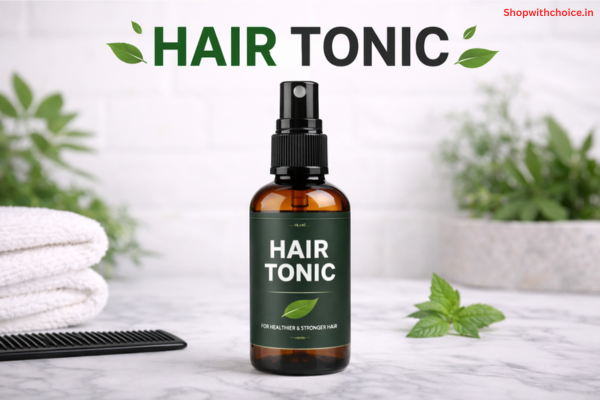
Hair Tonic is one of those hair products most people hear about from friends, barbers, or random “hair fall control” reels—but in 2026, it’s becoming a proper part of men’s and women’s routines for a simple reason: people want stronger hair, a healthier scalp, and less hair fall without doing a complicated 10-step routine. And if you’re dealing with thinning, you’re definitely not alone—male pattern hair loss is extremely common, affecting around 30–50% of men by age 50, and it can start even in the teen years for some people.
So in this guide, I’ll break down what a Hair Tonic actually is, how it’s different from hair serum and hair oil, what ingredients matter, whether it works, and the correct way to apply it for the best results—without overcomplicating anything.
What Is Hair Tonic?
A Hair Tonic is a lightweight liquid scalp-and-hair product designed to support scalp freshness, hair manageability, and hair strength. Think of it like a daily “scalp care booster” that can help improve the overall environment where your hair grows. Many hair tonics are made to be non-sticky, easy to apply, and comfortable for regular use.
Hair tonics usually focus on:
- Scalp refresh and cleanliness
- Reducing dryness and itchiness
- Improving hair feel (less frizz, more control)
- Supporting hair strength (less breakage)
Some tonics are more “classic barber-style,” and some are more “active ingredient-based” like caffeine tonics.
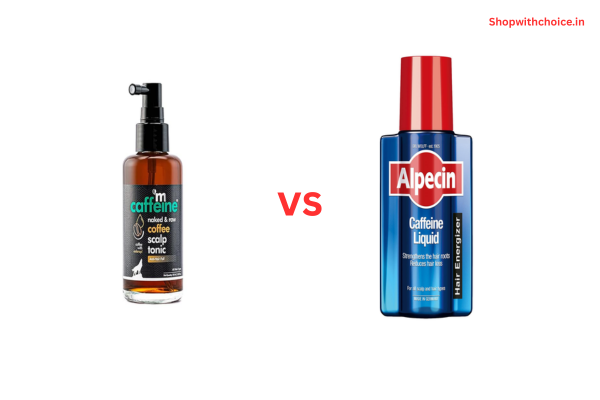
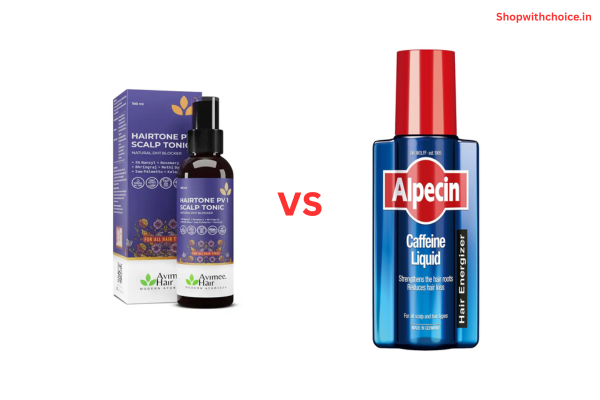
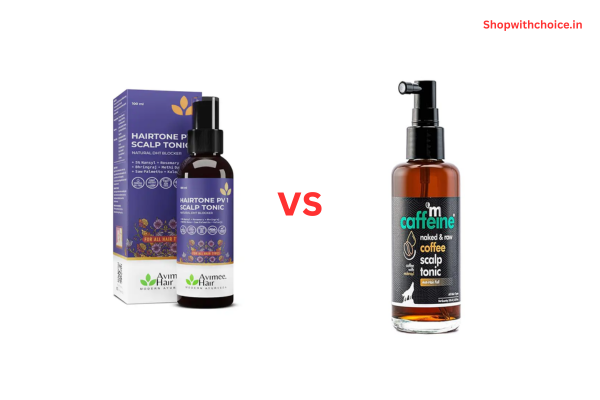
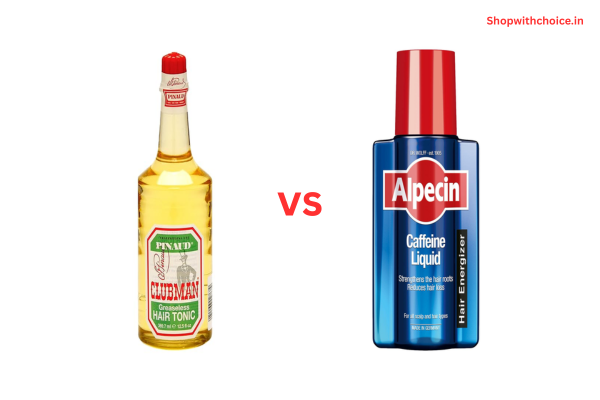
Top 5 Hair Tonics for Men
Hair Tonic vs Hair Serum vs Hair Oil – What’s the Difference?
This is where most people get confused, so here’s the easiest way to understand it:
Hair Tonic:
- Main use: Scalp care + hair strengthening support
- Texture: Watery/light liquid
- Where to apply: Mostly scalp (and sometimes hair)
- Best for: Daily routine, hair fall control support, freshness
Hair Serum:
- Main use: Hair smoothness, frizz control, shine
- Texture: Silky, often oil-like but lighter
- Where to apply: Mid-length to ends (not scalp usually)
- Best for: Dry hair, frizz, heat protection
Hair Oil:
- Main use: Deep nourishment, conditioning
- Texture: Heavier
- Where to apply: Scalp + hair (depending on oil and scalp type)
- Best for: Dry scalp, traditional oiling routine, wash-day care
In short: Hair Tonic = scalp-first product, serum = hair-length product, oil = deep conditioning product.
Key Ingredients in Hair Tonics:
A good Hair Tonic is usually built around ingredients that support scalp comfort and hair strength. Common ones include:
1) Caffeine:
Caffeine is popular in men’s hair tonics because it has research showing it can counteract testosterone-related suppression of hair follicle growth in lab settings.
That’s why caffeine tonics (like Alpecin-style products) are widely used for thinning concerns.
2) Herbal extracts:
These can support:
- Scalp soothing
- Reduced itchiness
- Balanced scalp feel
(Herbal tonics are often preferred by sensitive scalp users.)
3) Menthol / refreshing agents:
These give that “cooling scalp feel” and make the scalp feel fresh, especially after sweat and heat.
4) Humectants (hydration helpers):
Some tonics also include ingredients that help reduce dryness and improve overall scalp comfort.
Top Benefits of Hair Tonic for Hair Growth and Scalp Health:
Let’s be real: most people don’t use Hair Tonic just for fun—they want results. Here are the biggest benefits men and women notice over time:
1) Helps reduce hair fall due to breakage
When hair feels stronger and less dry, it often breaks less during:
- Combing
- Towel drying
- Styling
2) Supports a healthier scalp environment
A cleaner, calmer scalp can indirectly support better hair quality and growth consistency.
3) Makes hair feel stronger and more manageable
This is the “my hair feels better” result—less roughness, less frizz, and more control.
4) Works well for daily use
Unlike heavy oils, most tonics feel light enough to use regularly.
5) Adds freshness and improves grooming
A lot of men love hair tonic because it gives that “clean barber finish” without feeling greasy.
Does Hair Tonic Really Work?
Hair Tonic can absolutely help, but it depends on what you expect it to do.
Hair tonic works best for:
- Scalp freshness + comfort
- Stronger hair feel
- Less breakage-related hair fall
- Better hair texture and control
Hair tonic may not be enough alone for:
- Genetic hair loss (male pattern baldness / androgenetic alopecia)
Because genetic hair loss is extremely common, affecting 30–50% of men by age 50, many people need a stronger long-term plan depending on the stage.
Some active treatments like 5% topical minoxidil have strong clinical research showing better regrowth than weaker options in men with androgenetic alopecia.
That said, many people still use Hair Tonic alongside their routine because it helps with scalp comfort and hair quality.
How to Use Hair Tonic Correctly:
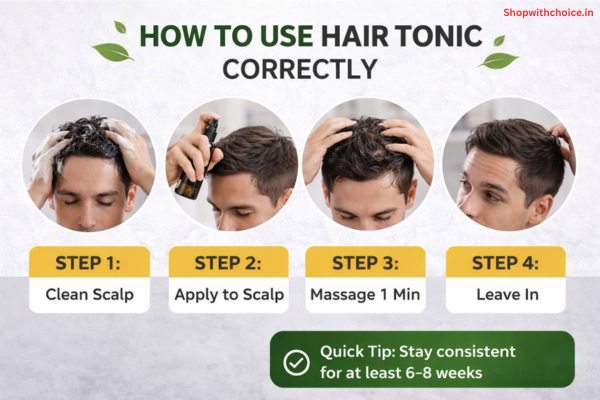
If you apply Hair Tonic wrongly, you’ll feel like it “does nothing.” Use it like this:
Step 1: Start with a clean scalp
Best time:
- After shower
or - On a fresh scalp before heading out
Step 2: Apply to the scalp (not just hair)
Use your fingertips or the nozzle and focus on:
- Hairline
- Crown area
- Parting line (where thinning looks more visible)
Step 3: Massage for 60 seconds
This improves spread and absorption.
Step 4: Leave it on
Most tonics are leave-in products—no washing required.
Step 5: Stay consistent
Use it at least 6–8 weeks before judging.
Hair Tonic for Men vs Women – Is There Any Real Difference?
Most Hair Tonic formulas can work for both men and women, but the focus changes.
Men often want:
- Hair fall control
- Strong roots
- Non-sticky daily use
- Support for thinning patterns
Women often want:
- Less breakage
- Scalp comfort
- Better thickness feel
- Frizz control support
The main difference is usually scalp sensitivity + hair length needs, not “tonic works only for men/women.”
Best Hair Tonic for Hair Fall Control and Hair Strengthening:
If your goal is hair fall control + stronger hair, look for a Hair Tonic that matches your scalp type:
✅ For oily scalp: light, quick-drying tonic
✅ For dry scalp: soothing + hydrating tonic
✅ For thinning worries: caffeine-based tonic options may fit well
✅ For daily grooming: classic tonics are great
Also, remember that hair loss patterns are common and age-related for many people, so consistency matters more than brand switching.
Side Effects of Hair Tonic & Who Should Avoid It:
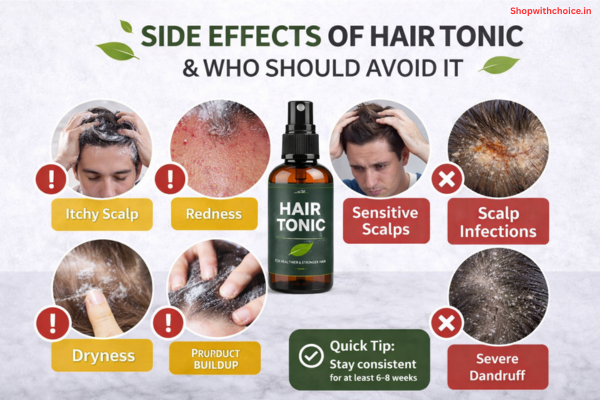
Most Hair Tonic products are safe for daily use, but some people may experience:
Possible side effects:
- Itchy scalp
- Redness or irritation
- Dryness (if alcohol-based and your scalp is sensitive)
- Product buildup (if overused)
Who should be careful:
- Very sensitive scalp users
- People with active scalp infections
- Anyone with severe dandruff or scalp inflammation (better to consult a dermatologist)
Best move: do a patch test first and start 3–4 days a week.
Hair Tonic Routine: How Often to Apply + Best Time (Morning or Night?)
This is one of the most asked questions.
How often should you apply Hair Tonic?
- Daily: best for consistent results
- 3–4 times a week: best for beginners or sensitive scalps
Morning vs Night – what’s better?
✅ Morning:
- Feels fresh
- Helps styling and grooming
- Works well with office routine
✅ Night:
- Good for relaxed scalp massage
- Less sweat and dust exposure
👉 Most people do best with morning use, and night use if they want a calm routine.
FAQs – Hair Tonic
Q1: Is Hair Tonic good for hair growth?
👉Hair Tonic supports scalp health and can help hair feel stronger, which helps hair look fuller. For genetic thinning, results vary and may require stronger treatments.
Q2: Can I use Hair Tonic every day?
👉Yes, most people can—just don’t over-apply. If your scalp feels irritated, reduce frequency.
Q3: Can Hair Tonic stop hair fall completely?
👉It can reduce breakage-related fall and improve hair strength, but genetic hair loss is very common and may not stop fully without a complete routine.
Q4: Can I use Hair Tonic and hair oil together?
👉Yes. Oil on wash day, tonic on regular days is a simple combo.
Q5: Can I apply it on wet hair or only dry hair?
👉You can apply it on slightly damp hair after showering or on a dry scalp. It works best when the scalp is clean and not oily.
Q6: Can I use it along with minoxidil or other treatments?
👉Yes, but apply them at different times (morning/night) to avoid irritation and product mixing. If you have sensitive skin, check with a dermatologist first.
Q7: Will it make my hair greasy or sticky?
👉Most formulas feel lightweight and non-sticky when used in the right quantity. Applying too much can cause buildup, so use a small amount and massage well.
Q8: Can I use it along with hair gel or wax?
👉Yes, you can. Apply it first on the scalp, let it absorb for a few minutes, then use gel or wax for styling.
Q9: Should I wash my hair before applying it every time?
👉Not always. It works best on a clean scalp, but if your scalp isn’t oily or sweaty, you can apply it without washing.
Conclusion:
Hair Tonic is a simple but powerful product when you use it the right way—it keeps your scalp fresh, supports stronger hair, reduces breakage-related hair fall, and improves daily hair grooming without making your hair heavy or greasy. The best part is that it fits into real life: quick to apply, easy to maintain, and perfect for men and women who want healthier-looking hair in 2026 without overcomplicating their routine.
So, are you ready to add Hair Tonic into your daily hair care plan and stay consistent for the next 8 weeks?