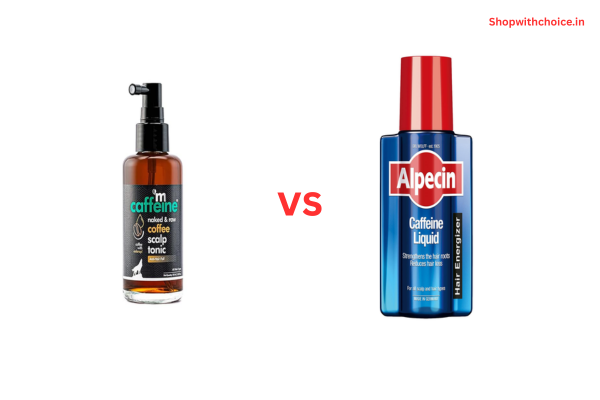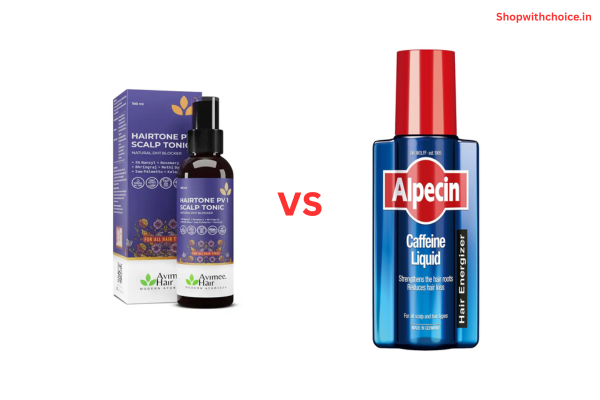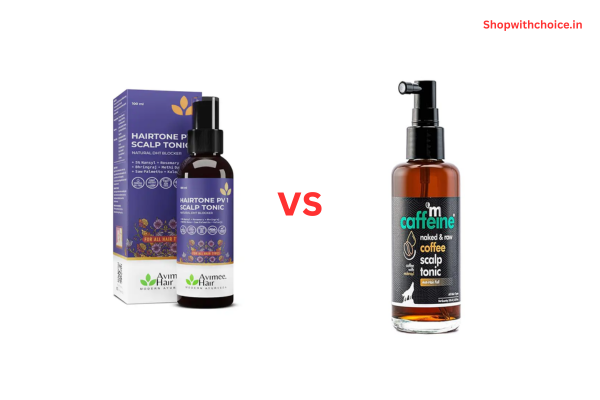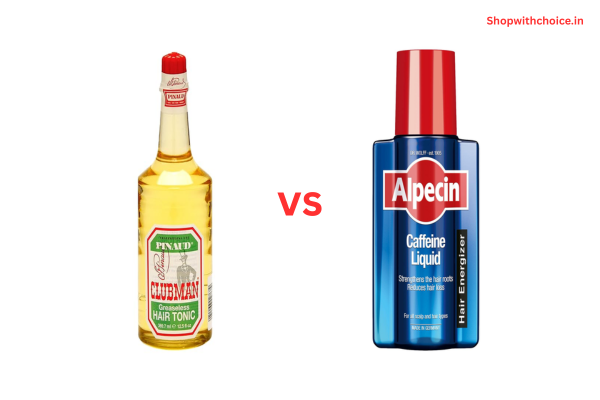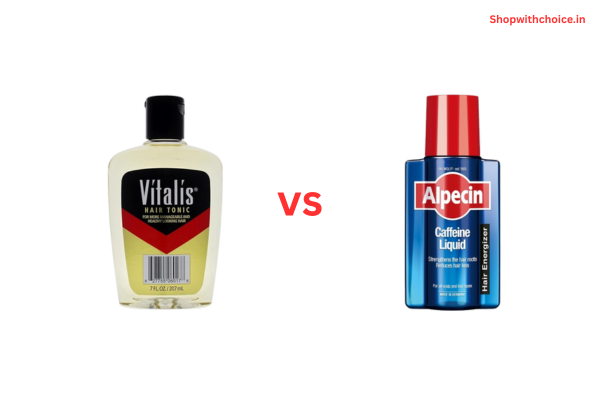
Scalp Tonic choices can feel confusing when two popular names like Vitalis and Alpecin keep showing up in recommendations. If you’re searching for “Vitalis vs Alpecin Scalp Tonic: Which Scalp Tonic Should You Choose?”, you’re likely trying to decide between a classic daily grooming solution and a more science-focused scalp treatment aimed at hair fall control. That’s a smart comparison to make, because scalp and hair concerns are extremely common. Research shows that 30–50% of men experience some level of hair thinning by age 50, and many also deal with scalp issues like oiliness, irritation, or weak roots much earlier.
Vitalis and Alpecin approach the problem very differently—one focuses on neat appearance and manageability, while the other targets scalp stimulation and root strength. In this comparison, we’ll break down how each scalp tonic works, what real users experience, and who each product is actually meant for. By the end, you’ll have a clear idea of which scalp tonic fits your routine, expectations, and hair goals best.
1) Vitalis Hair Tonic: An Overview
Vitalis Hair Tonic is a classic grooming-focused scalp tonic that’s been around for decades. Its main job is simple: make hair look neat, manageable, and under control. It’s not marketed as a medical solution for hair loss, and it doesn’t try to be one. Instead, Vitalis works best for people who want a quick, lightweight daily routine that improves hair appearance instantly.
It’s commonly used by men who prefer a clean, polished look without heavy oils, waxes, or gels. Think of it as a “hair behaves better” product rather than a “hair grows back” product.
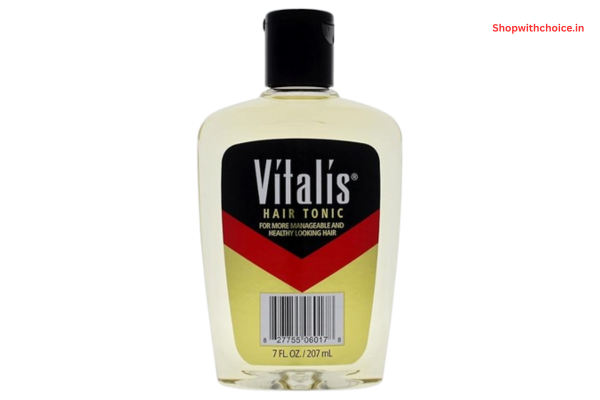
🔗Buy on Amazon
Price Range in India: ₹218 – ₹2,218
Key Ingredients:
Vitalis formulations typically include:
- Alcohol Denat. – helps quick absorption and light feel
- Water – base
- PPG-40 Butyl Ether – improves spreadability
- Fragrance & colorants
This explains why Vitalis feels fast-drying and non-greasy, but also why people with very sensitive scalps should go easy.
Pros:
- Instant grooming and neat finish
- Lightweight, non-oily texture
- Easy daily use
- Helps reduce frizz and roughness
- Makes hair easier to comb and style
Cons:
- Not designed for hair regrowth
- Limited scalp nourishment
- Alcohol base may feel drying for sensitive scalps
Real User Review:
👉“Vitalis is part of my morning routine now. It smooths out frizz and keeps my hair looking neat even after gym sessions.”
👉“Super light and easy to use. It doesn’t feel sticky or oily, and my hair looks great without much styling.”
👉“After a couple of weeks, my hair feels stronger and less prone to breakage. Plus, the finish looks natural.”
2) Alpecin Scalp Tonic: An Overview
Alpecin Scalp Tonic takes a science-backed, scalp-stimulation approach. It’s built around caffeine, an ingredient studied for its potential to stimulate hair follicles in laboratory conditions. Research published in dermatology journals suggests caffeine may help counteract the suppressive effects of DHT on hair follicles in vitro (Source: International Journal of Dermatology; NCBI).
Alpecin is targeted at people who are worried about hair fall and early thinning, especially men who want something more active than grooming products but aren’t ready for prescription treatments.
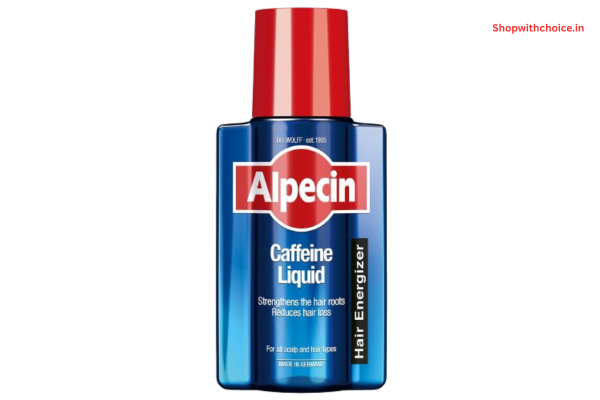
🔗Buy on Amazon
Price Range in India: ₹438 – ₹2,438
Key Ingredients:
- Caffeine – supports scalp stimulation
- Niacinamide (Vitamin B3) – helps scalp circulation and barrier health
- Menthol – cooling effect and blood flow stimulation
- Alcohol base – helps deliver actives quickly
The formula is intentionally functional rather than cosmetic.
Pros:
- Research-oriented caffeine formula
- Targets weak roots and scalp fatigue
- Lightweight and non-greasy
- Suitable for daily scalp application
- Helps reduce hair fall related to weak follicles
Cons:
- Not suitable for very sensitive scalps
- Tingling sensation may feel strong initially
- Not a cure for advanced baldness
Real User Reviews:
👉“My hair feels less brittle and more anchored at the roots. After consistent use, I noticed fewer strands falling during daily combing.”
👉“Love the cooling feel on my scalp — it feels refreshed and healthier. My hair doesn’t look greasy at all after applying.”
👉“This tonic is easy to use and absorbs quickly. It makes my scalp feel alive and less itchy after long days.”
Top 5 Hair Tonics for Men
Vitalis vs Alpecin Scalp Tonic – Comparison Table
Feature | Vitalis Hair Tonic | Alpecin Scalp Tonic |
|---|---|---|
Core Purpose | Grooming & appearance | Hair fall control & scalp stimulation |
Main Focus | Neat, manageable hair | Stronger roots, scalp activity |
Texture | Light, fast-drying | Light, cooling |
Immediate Effect | Instant grooming | Scalp stimulation |
Long-Term Benefit | Cosmetic control | Gradual hair fall reduction |
Sensitive Scalp | Use cautiously | May tingle |
Hair Regrowth | No | Limited |
Daily Use | Yes | Yes |
User Ratings | 4.4/5 | 4.2/5 |
Buy on Amazon |
Who Should Use Vitalis or Alpecin?
Choose Vitalis if you:
- Want instant neatness and control
- Prefer a simple grooming routine
- Don’t like heavy or oily products
- Care more about appearance than treatment
- Have normal to oily scalp
Choose Alpecin if you:
- Are dealing with early hair fall or thinning
- Want a scalp-focused product
- Prefer science-backed ingredients
- Can commit to consistent daily use
- Want to support root strength over time
Who Should Avoid These Products?
You may want to avoid or limit Vitalis if:
- You have a very dry or sensitive scalp
- You’re looking for hair regrowth solutions
You may want to avoid or limit Alpecin if:
- You have scalp eczema, wounds, or infections
- You react strongly to menthol or alcohol-based products
Dermatology research is clear that genetic hair loss is progressive, and topical tonics alone cannot fully reverse it (Source: American Academy of Dermatology).
Tips to Buy a Good Scalp Tonic:
Before choosing any scalp tonic, keep these points in mind:
- Know your goal – grooming vs hair fall control
- Check scalp sensitivity – alcohol-based tonics can irritate some users
- Don’t expect miracles – consistency matters more than brand
- Match tonic to routine – daily grooming vs long-term care
- Track results over weeks, not days
FAQs: Vitalis vs Alpecin Scalp Tonic
Q1: Can either tonic regrow hair?
👉No. Both help with appearance or hair fall control, but regrowth usually needs medical treatment.
Q2: Which one reduces hair fall more?
👉Alpecin is better for hair fall related to weak roots; Vitalis mainly reduces breakage by improving manageability.
Q3: Can I use them every day?
👉Yes, but sensitive scalps should start slowly.
Q4: Are they suitable for thinning hair?
👉Both can improve the look of thinning hair, but Alpecin offers more scalp-level support.
Q5: Can I combine with other treatments?
👉Yes, but space applications to avoid irritation.
Conclusion:
So, Which Scalp Tonic Should You Buy?
- Choose Vitalis Hair Tonic if your goal is instant grooming, neatness, and easy daily control
- Choose Alpecin Scalp Tonic if your goal is hair fall control, scalp stimulation, and stronger roots over time
- Avoid both if you expect guaranteed regrowth without medical support
- Stay consistent—results depend more on routine than brand
Both products do their jobs well in different ways, So, do you want quick visual grooming results or a scalp-focused approach to hair fall control right now?