Anti-Dandruff Shampoo Showdown: Pilgrim Australian Tea Tree vs The Body Shop Ginger — What You Should Know
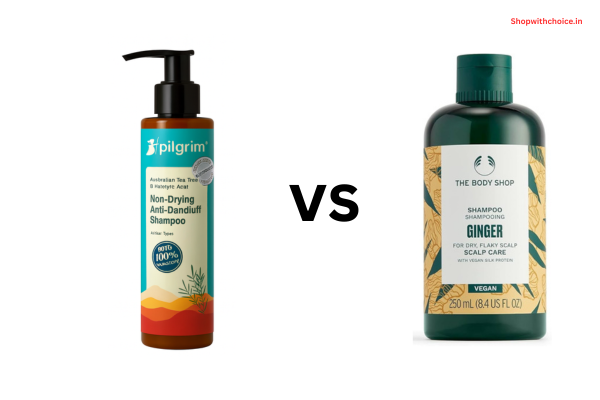
If you’re trying to pick between two popular shampoos — Pilgrim Australian Tea Tree Anti-Dandruff Shampoo and The Body Shop Ginger Anti-Dandruff Shampoo — you’re not alone. Both promise to tackle flakes, calm scalp irritation, and give you healthier hair, but their approaches are quite different. Some users want a gentle, herbal shampoo they can use regularly; others prefer a formula strong enough to handle stubborn dandruff. This article breaks down what each does, what works, what doesn’t, and helps you decide which one fits your scalp and hair type best.
1) Pilgrim Australian Tea Tree Anti-Dandruff Shampoo: An Overview
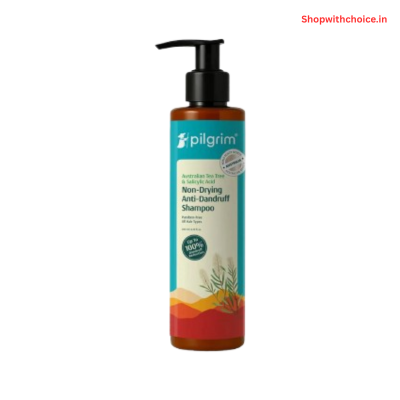
The Pilgrim shampoo leans on a natural-leaning, gentle formula with tea tree oil as its main feature. It aims to provide anti-dandruff action without harsh stripping — which makes it especially appealing if your scalp is sensitive, dry, or easily irritated. Many buyers praise its sulfate-free base and mild cleansing that doesn’t leave scalp or hair overly dry.
🔗 Buy on Amazon
Price Range in India: ₹175 – ₹575
Key Ingredients:
- Tea Tree Oil (or Extract): Known for antifungal and antimicrobial properties that help fight dandruff-causing microbes while soothing scalp irritation.
- Mild Cleansers / Gentle Surfactants: Instead of aggressive detergents, it uses gentle surfactants to cleanse while preserving scalp moisture.
- Conditioning & Moisture Agents: Ingredients that help keep scalp and hair balanced — reducing the risk of dryness often associated with anti-dandruff shampoos.
Pros:
- Gentle on scalp: minimal risk of dryness, irritation, or tightness
- Good for sensitive or dry scalps needing scalp-friendly cleansing
- Reduces flakes moderately over consistent use
- Leaves hair soft and manageable, even with regular washing
- Feels more natural than medicated shampoos — comforting fragrance and smooth wash
Cons:
- Slower results — may take several weeks for noticeable flake reduction
- May not fully clear heavy or fungus-driven dandruff issues on its own
- Effectiveness depends on regular use over time, not instantaneous relief
Real Customer Experiences:
👉“Shampoo smells nice, is gentle, and works! Flakes reduced gradually over weeks, and hair remains smooth. Definitely my go-to for seasonal dandruff.”
👉“Great for mild to moderate dandruff — scalp feels balanced and clean without dryness. Even with frequent washes, my scalp didn’t feel irritated.”
2) The Body Shop Ginger Anti-Dandruff Shampoo: An Overview
This shampoo takes a different — more soothing and botanical — route. Instead of heavy antifungal chemicals or deep stripping, The Body Shop’s ginger-based shampoo emphasizes calming scalp irritation, gentle cleansing, and regular scalp care. It’s often recommended for those whose scalp issues stem from dryness, sensitivity, or seasonal flaking rather than persistent fungal dandruff.
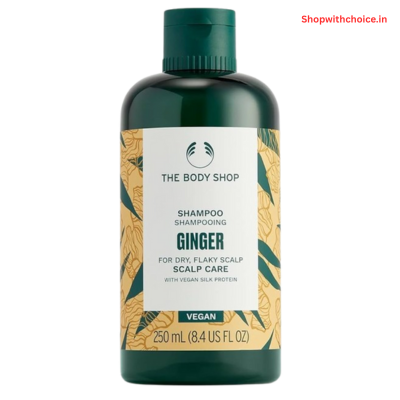
🔗 Buy on Amazon
Price Range in India: ₹159 – ₹559
Key Ingredients:
- Ginger Root Extract: Known for its anti-inflammatory and scalp-soothing properties — helps reduce itchiness and scalp discomfort.
- Gentle Cleansers & Mild Surfactants: Cleanse scalp and hair without aggressive stripping, preserving scalp’s natural oils.
- Botanical Soothers / Moisture Elements: These maintain scalp balance and keep hair soft, which is helpful for dry or treated hair.
Pros:
- Gentle, scalp-friendly formula suitable for sensitive or dry scalps
- Reduces irritation, soothes scalp itch, and addresses mild flaking comfortably
- Maintains hair softness and moisture even after regular washes
- Mild scent and pleasant herbal feel, more comfortable than strong anti-dandruff shampoos
- Good for regular maintenance rather than aggressive treatment
Cons:
- Less potent against severe or fungus-driven dandruff — may not eliminate heavy flakes fully
- Results come slowly — steady, gentle improvement over weeks instead of quick clearance
- Not ideal for oily, buildup-prone scalp or greasy roots needing strong cleansing
Real Customer Experiences:
👉“This shampoo managed to clear my scalp of flakes; even after frequent washes, I didn’t get dryness or irritation. Hair remains smooth and manageable.”
👉“My dandruff decreased significantly within a week. It leaves hair soft and scalp comfortable. The ginger scent is nice and refreshing.”
Top 5 Best Anti-Dandruff Shampoos for Women
Pilgrim Tea Tree vs The Body Shop Ginger — Comparison Table
Feature | Pilgrim Australian Tea Tree Anti-Dandruff Shampoo | The Body Shop Ginger Anti-Dandruff Shampoo |
|---|---|---|
Image | | |
Best For | Sensitive scalp, dry scalp, mild-to-moderate dandruff | Sensitive or dry scalp, mild flaking, regular maintenance |
Main Strength | Gentle antifungal + scalp comfort | Soothing scalp care + softness + natural feel |
Speed of Flake Reduction | Moderate — visible over several weeks | Slow — gradual improvement over weeks |
Scalp Feel After Wash | Balanced, moisturized, not stripped | Calm, hydrated, soft, non-tight |
Hair Feel | Smooth and manageable after wash | Soft, hydrated, even with frequent wash |
Cleansing Power | Mild to moderate — good for oil if scalp not too greasy | Mild — may struggle with heavy oil/buildup |
Best Use Scenario | Mild dandruff with sensitivity or dryness | Maintenance shampoo for mild flakes or sensitive scalp |
Trade-off | Slower results than strong shampoos | Less effective for heavy, recurring dandruff |
User Ratings | 4.0/5 | 4.3/5 |
Buy |
Expert Recommendations – How to Choose the Right One
- If your dandruff is mild to moderate, and your scalp is sensitive, dry, or easily irritated → Pilgrim Australian Tea Tree is a safe, gentle choice.
- If your scalp tends to be dry or gets irritated easily, and you prefer a natural, balanced shampoo for regular maintenance → go for The Body Shop Ginger.
- If your issue is more than simple dryness — like persistent flakes, stubborn dandruff, or frequent scalp irritation — using a stronger, regular anti-dandruff formula may be more effective than mild shampoos.
FAQs — Pilgrim Australian Tea Tree vs The Body Shop Ginger Anti-Dandruff Shampoo
Q1: Which shampoo is safer for daily or frequent washing?
👉Both are gentle enough for frequent use, but Pilgrim (with milder antifungal action) and The Body Shop (with gentle cleansers) are more scalp-friendly than harsh medicated formulas.
Q2: Can these shampoos treat severe dandruff?
👉They work best for mild to moderate dandruff. Severe, fungus-driven dandruff may require stronger antifungal shampoos or dermatologist advice.
Q3: Which is better for colored or chemically treated hair?
👉The Body Shop Ginger — because of its mild, moisturizing formula and gentle cleansers that minimize stripping.
Q4: Will hair feel dry after wash?
👉Unlikely with either shampoo, provided you condition or follow with suitable hair care — especially with The Body Shop Ginger, which emphasizes scalp/hair softness.
Conclusion:
So, Which Anti-Dandruff Shampoo Should You Buy?
- Pick Pilgrim Australian Tea Tree if your priority is a gentle, scalp-friendly formula that addresses mild-to-moderate dandruff and keeps scalp comfort high.
- Pick The Body Shop Ginger Anti-Dandruff Shampoo if you want a soothing, natural-feel shampoo best suited for sensitive or dry scalp, or regular maintenance cleansing.
- Consider stronger antifungal options (or consult a dermatologist) if you suffer from persistent, heavy dandruff or fungal scalp issues — mild shampoos may not be enough.
Each shampoo serves slightly different needs — but both are valid choices depending on your scalp type, hair condition, and how aggressive your dandruff problem is.
Which one matches your scalp’s needs better?