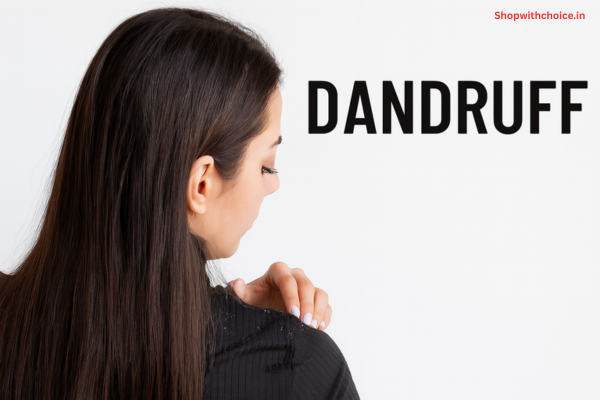
Dandruff is one of those scalp issues almost everyone deals with at some point, yet most people still wonder what truly causes it and how to get rid of it for good. Dermatology research shows that nearly 50% of adults experience dandruff globally, making it one of the most common scalp concerns. When people search for What Is Dandruff? Causes, Symptoms and Effective Treatment Explained, they’re really looking for clarity—what’s normal, what’s not, and which treatments actually work.
This guide breaks it down in a simple, practical way so you can understand why dandruff happens, the symptoms you should pay attention to, and the best ways to treat and manage it effectively.
Understanding Dandruff: What It Really Is and How It Affects Your Scalp
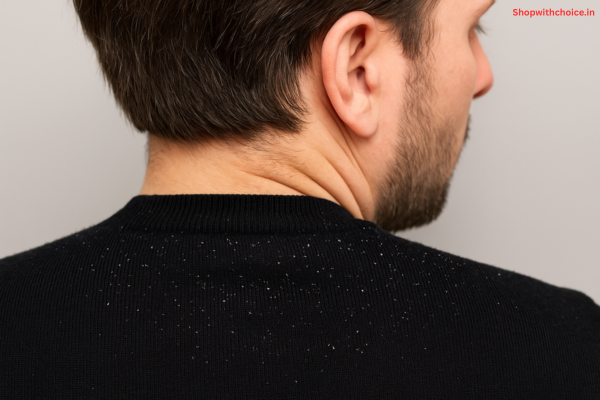
Dandruff is a scalp condition marked by visible flakes of skin, often accompanied by an itchy or irritated scalp. While the exact mechanism isn’t completely understood, it’s clear that the scalp’s natural process of skin-cell renewal is accelerated, leading to larger clusters of dead skin falling off. The condition isn’t simply a cosmetic issue—when left unchecked, it can affect scalp health, hair appearance, and day-to-day confidence.
Common Causes of Dandruff: From Dry Scalp to Fungal Overgrowth
Several underlying causes contribute to dandruff. Some of the most significant include:
- Oiliness (Sebum) and Scalp Environment: Excess oil on the scalp provides a better environment for flaking and scaling.
- Fungal Overgrowth – Malassezia globosa: This natural scalp yeast is present in many people, but in those with dandruff its numbers are often higher.
- Dry Skin / Weather / Environmental Triggers: Cold and dry weather, or low humidity, can make the scalp prone to flaking.
- Hair-care Product Sensitivity: Some shampoos, conditioners, styling products or even fragrances may irritate the scalp or disrupt its balance.
- Other Skin Conditions or Immune Factors: Conditions like Psoriasis or Eczema can overlap with or worsen seborrhoeic conditions, which include dandruff.
Key Symptoms of Dandruff You Should Never Ignore:
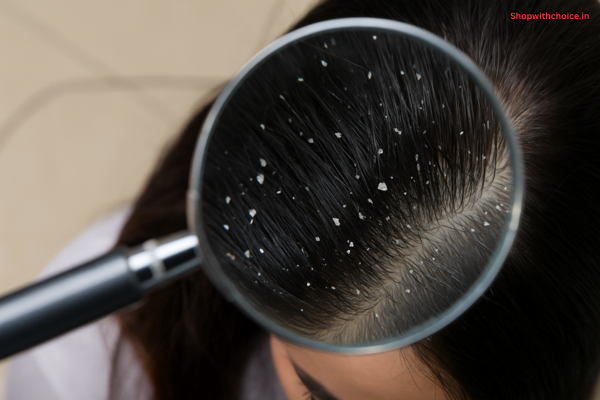
When you want to know What Is Dandruff? Causes, Symptoms and Effective Treatment Explained, recognising the symptoms is the next step. You’ll want to watch for:
- White or yellowish flakes on your scalp, hair, shoulders or clothing.
- An itchy scalp, which may be mild or moderate.
- Scalp irritation with possible redness or oiliness.
- Increased flaking when the weather turns colder, or when stress is high.
If your scalp has thick, red plaques or widespread inflammation, it might be more than dandruff — in that case professional evaluation is advised.
Different Types of Dandruff and How to Identify Them:
Dandruff isn’t one-size-fits-all. Some people have mild, dry-flaky dandruff; others have oily, greasy scaling that sticks to the scalp. In general:
- Dry-scalp dandruff: Flakes are fine, often white, with less oil; tends to happen in drier climates.
- Oily dandruff: Flakes are larger, yellowish, possibly stuck to strands or scalp oil; more common with oily scalps and increased sebum.
- Recurring/chronic dandruff: Even when treated, the condition may come back, requiring ongoing care.
Understanding which type you have helps in choosing the right shampoo and regime.
How Lifestyle Factors Make Dandruff Worse:
Lifestyle plays a significant role if you’re asking What Is Dandruff? beyond the basic causes. Several factors can make symptoms worse or trigger flare-ups:
- Stress: High stress levels can weaken scalp skin barrier and increase oil production.
- Diet & nutrition: While not the root cause, poor nutrition (e.g., low zinc) may worsen scalp health.
- Weather & environment: Cold, dry weather, indoor heating, and low humidity can aggravate flaking.
- Hair-care choices: Heavy styling products, infrequent washing, or irritating hair products may either contribute to build-up or irritate the scalp.
- Hormonal/age factors: Dandruff often begins in young adulthood and tends to reduce after middle age, possibly linked to oil-gland changes.
By adjusting some of these lifestyle levers, many sufferers see noticeable improvement.
Most Effective Medical Treatments for Dandruff:
When you want to treat dandruff effectively, you need more than just the usual shampoo. Here are key treatment options commonly recommended by dermatologists:
- Medicated shampoos with antifungal actives: Ingredients like zinc pyrithione, selenium disulfide, ketoconazole, salicylic acid are widely used.
- Proper frequency & application: Use as directed (often 2-3 times per week for strong formulas), leave on the scalp for a few minutes to allow actives to work.
- Rotating treatments: Sometimes switching between different active-ingredients helps manage resistant or recurring cases.
- Consult a dermatologist when flakes are heavy, red patches present, or you suspect overlapping scalp conditions like psoriasis or seborrhoeic dermatitis.
Best Anti-Dandruff Shampoos Recommended by Dermatologists:
If you’re asking What Is Dandruff? Causes, Symptoms and Effective Treatment Explained, then selecting a strong shampoo is part of the answer.
For Women (Top 5):
- Bare Anatomy Anti-Dandruff Shampoo
- Scalpe Pro Daily Anti-Dandruff Shampoo
- Head & Shoulders Deep Cleanse
- Pilgrim Australian Tea Tree Shampoo
- The Body Shop Ginger Scalp Care Shampoo
For Men (Top 5):
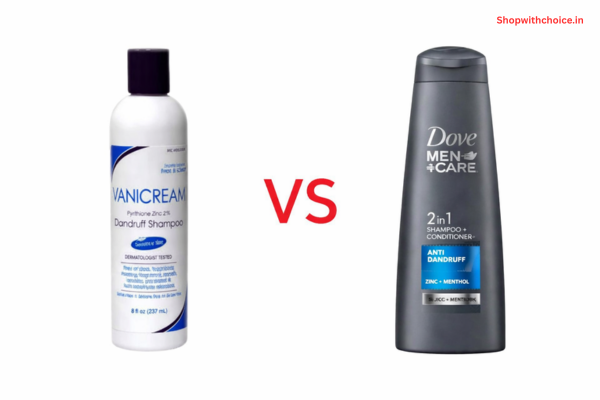
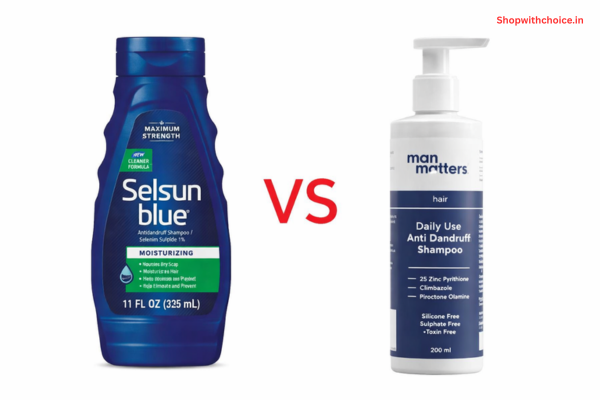
- Selsun Blue Medicated Shampoo
- Khadi Natural Anti-Dandruff Shampoo
- Himalaya Anti-Dandruff Shampoo
- Dove Men+Care Anti-Dandruff Shampoo
- Naturali Anti-Dandruff Shampoo
These are selected because they incorporate proven active ingredients, good user-feedback and cover a range of scalp types and budgets.
Top 5 Anti Hair Fall Shampoos to Stop Hair Fall and Boost Hair Growth Naturally
Natural Home Remedies for Dandruff That Actually Work:
If you prefer to complement your medical treatments, several natural or home-care strategies have shown value:
- Using tea tree oil (diluted) in your regime, which has antimicrobial properties.
- Applying apple cider vinegar rinse (diluted) to help reduce oiliness and improve scalp pH.
- Aloe vera gel soothing mask to calm itchy or irritated scalp.
- Ensuring adequate hydration, balanced diet rich in zinc and B-vitamins, and reducing stress.
While these aren’t full cures, they support your primary treatment and promote scalp health over time.
Daily Hair Care Routine to Prevent Recurring Dandruff:
Prevention matters just as much as treatment if you’re keen on answering What Is Dandruff? Causes, Symptoms and Effective Treatment Explained. Here’s a good routine:
- Choose an anti-dandruff shampoo matched to your scalp type (oily vs dry).
- Apply the shampoo to your scalp (not just hair length), leave on for at least 2-3 minutes, then rinse.
- Use a mild, scalp-friendly conditioner on hair lengths only (avoid scalp when flakes present).
- Reduce styling product build-up; clarify scalp monthly if you use heavy products.
- Maintain scalp hygiene but avoid over-washing (which can dry out the scalp and trigger more flakes).
- Manage stress, get sleep, maintain balanced diet, and ensure you’re in a humid-friendly environment (especially in dry/winter seasons).
- Monitor progress: if flakes decrease and itch subsides, move to maintenance mode; if not, consider switching actives or consulting a dermatologist.
When to See a Dermatologist: Signs Your Dandruff Needs Professional Help
If you’re dealing with what you think is dandruff, here are signs you should seek a professional:
- Flakes persist despite 4-6 weeks of regular treatment with a good anti-dandruff shampoo.
- Scalp shows thick red plaques, pus, bleeding, or hair loss – this may indicate Seborrhoeic Dermatitis, psoriasis, or eczema.
- Severe itch and discomfort, or if other areas of the body (face, chest) start showing similar symptoms.
- Underlying health issues – if you have a weakened immune system, Parkinson’s disease, or other neurological conditions, scalp flaking may be more serious.
FAQs – Dandruff
Q1: Is dandruff contagious?
👉No — dandruff is not contagious. It arises from internal scalp conditions like oil-imbalances and fungal overgrowth, not from person-to-person transmission.
Q2: Can dandruff go away permanently?
👉There is no definitive “cure” since underlying triggers persist, but you can manage and significantly reduce symptoms with proper care.
Q3: If I wash more often, will it go away faster?
👉Not necessarily. Washing too often with the wrong products might irritate the scalp. The right medicated shampoo, applied correctly, matters more.
Q4: Does poor hygiene cause dandruff?
👉No — good hygiene helps, but dandruff is more about scalp biology (oil, fungus, sensitivity) than cleanliness.
Q5: Can diet alone fix dandruff?
👉Diet helps scalp health, but alone it usually isn’t enough. Combine with the right shampoo and routine for best results.
Conclusion:
Understanding dandruff becomes much easier when you know what causes it, how the symptoms show up, and which treatments actually make a difference. With the right scalp-care routine, lifestyle adjustments, and a suitable anti-dandruff shampoo, most people can manage flakes and itching effectively. And if symptoms get worse or don’t improve after consistent care, reaching out to a dermatologist ensures you’re treating the real underlying issue.
Taking control of dandruff starts with understanding your scalp—and now that you know the essentials, what step will you take next to keep your scalp healthy and flake-free?